
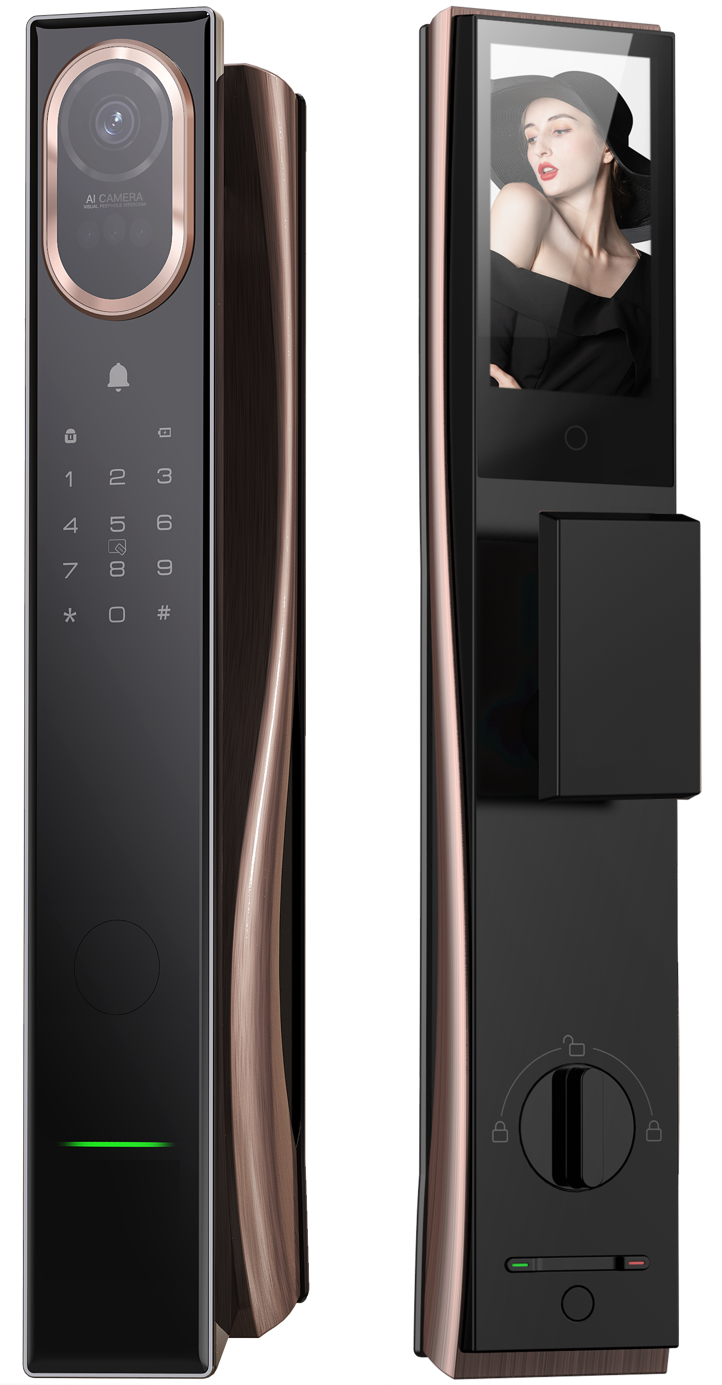
Description
1.0 Executive Summary
This report provides a detailed overview of modern electronic lock systems. It outlines the core technology, key features, market varieties, and significant benefits over traditional mechanical locks. The electronic lock market is experiencing rapid growth, driven by the demand for enhanced security, convenience, and smart home integration. While challenges such as power dependency and initial cost exist, the advantages of access control, user management, and remote capabilities position electronic locks as the future standard for residential, commercial, and institutional security.

2.0 Introduction
Electronic locks (e-locks) are locking devices that operate through an electric current and are controlled by an authentication method instead of a traditional mechanical key. They represent a significant evolution in access control, moving from physical key management to digital, programmable security solutions. This report aims to dissect the components, functionalities, and applications of these advanced security systems.
3.0 Key Technologies and Features
Modern electronic locks incorporate a range of technologies that define their functionality and user experience.
· 3.1 Authentication Methods:
· PIN Codes: Users enter a unique numeric or alphanumeric code on a keypad.
· Biometrics: Utilizes unique biological characteristics such as fingerprints, retinal patterns, or facial recognition for high-security access.
· Proximity Cards & Key Fobs: Uses RFID or NFC technology to grant access when a card or fob is presented to a reader.
· Smartphone Integration: Unlocking via Bluetooth, Wi-Fi, or a mobile app. This often includes features like virtual keys and remote access.
· 3.2 Connectivity:
· Standalone: Operates independently, storing access codes and logs internally.
· Wi-Fi Enabled: Allows for remote lock/unlock status checks, user management, and real-time notifications from anywhere with an internet connection.
· Bluetooth Enabled: Provides keyless entry and management via a smartphone when in close proximity to the lock.
· Z-Wave/Zigbee: Integrates with broader smart home ecosystems for automated routines (e.g., lock doors at a specific time, trigger lights upon entry).
· 3.3 Core Features:
· Remote Access & Control: Lock and unlock doors remotely via a smartphone app.
· User Access Logs: Maintains a digital record of all entry attempts, including time, date, and user identity.
· Temporary/Virtual Keys: Grant time-limited access to guests, service personnel, or renters without needing a physical key.
· Auto-Lock Function: Automatically locks the door after a set period, ensuring security.
· Integration with Security Systems: Can work in tandem with alarms, cameras, and sensors.
4.0 Types of Electronic Locks
Electronic locks are available in various form factors to suit different applications:
· Deadbolts: Replace traditional deadbolts, offering robust security for main entry doors.
· Lever Handle Locks: Common in commercial and residential interior doors, combining access control with ease of use.
· Padlocks: Portable security for lockers, gates, and storage units.
· Mortise Locks: Integrated into the door structure, often used in high-end commercial and hotel settings.
5.0 Market Applications
· Residential: Homeowners use e-locks for keyless entry, granting access to family and visitors, and monitoring home access.
· Commercial: Offices use them to control access to sensitive areas, track employee entry, and eliminate the cost of rekeying after employee turnover.
· Hospitality: Hotels utilize electronic locks for secure, customizable key cards for each guest, streamlining check-in and enhancing security.
· Industrial & Institutional: Used in factories, government buildings, and schools to enforce strict access protocols.
6.0 Benefits and Advantages
· Enhanced Security: No physical keys to be lost, stolen, or copied illegally. Advanced encryption protects digital credentials.
· Superior Convenience: Keyless entry eliminates fumbling for keys. Remote access allows for package delivery or guest entry.
· Advanced Access Control: Granular control over who can enter, when, and how often. Instant revocation of access.
· Improved Audit Trail: Access logs provide valuable data for security monitoring and incident investigation.
· Scalability and Integration: Easily integrated into larger security or smart home systems for a unified experience.
7.0 Challenges and Considerations
· Power Dependency: Require batteries or a wired power source. Most models have low-battery warnings and manual override options (e.g., a physical key or external power port).
· Initial Cost: Higher upfront cost compared to traditional mechanical locks.
· Technical Complexity & Cybersecurity: Potential vulnerability to hacking, signal jamming, or software bugs. Choosing products with strong encryption is critical.
· Installation: Some models may require professional installation, especially if wiring is involved.
8.0 Conclusion
Electronic locks are a transformative technology in the security landscape. They offer a powerful combination of robust security, unprecedented convenience, and intelligent features that mechanical locks cannot match. As technology continues to advance, making them more affordable, energy-efficient, and secure, their market penetration is expected to grow exponentially. For individuals and organizations seeking to modernize their security infrastructure, electronic locks represent a prudent and forward-thinking investment.

Reviews
There are no reviews yet.